We Are Openallday
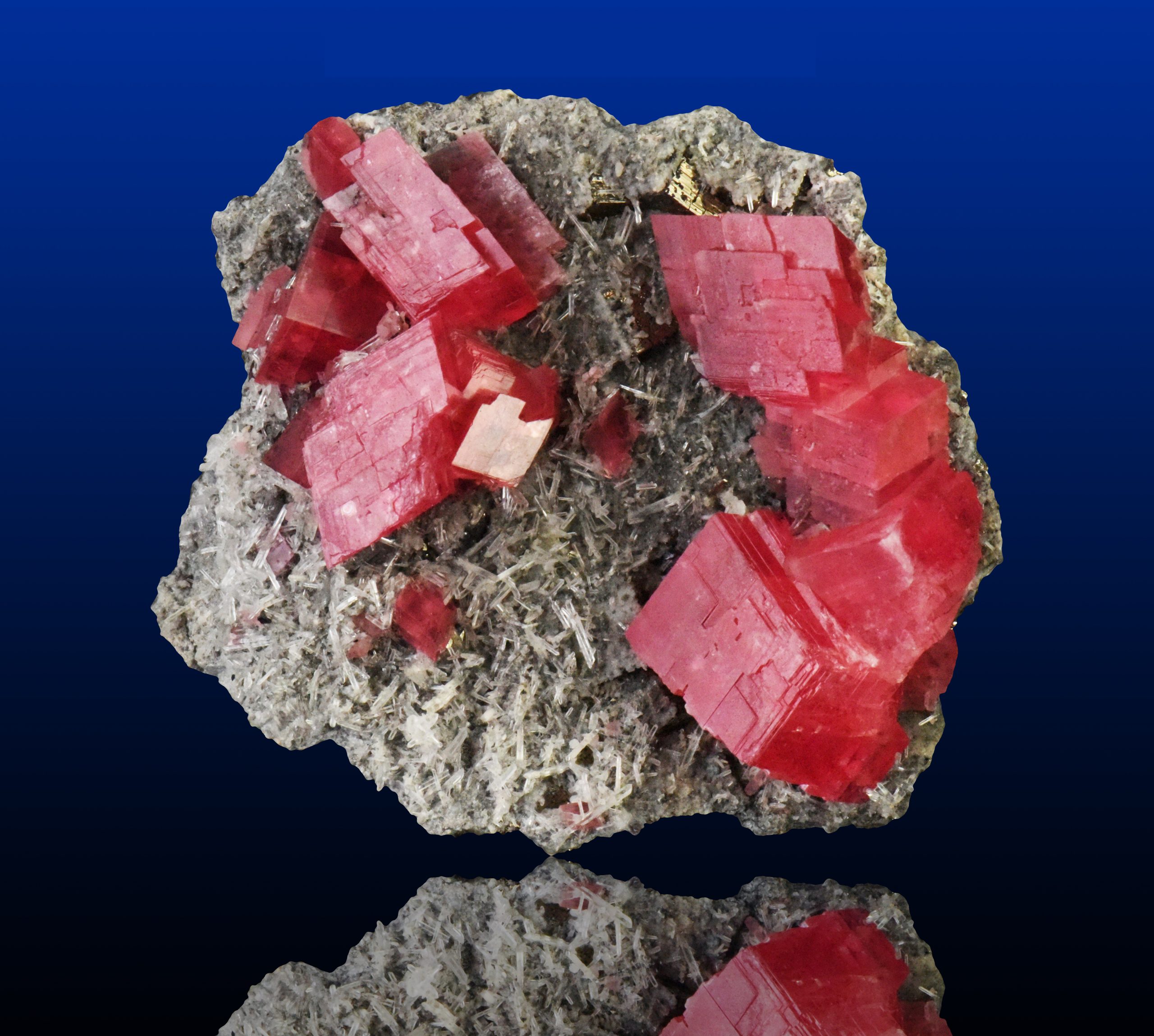
Mineral Specimens
specimen
EDUCATIONAL MINERALSFOR BEGINNERS AND REFERENCE
At OPENALLDAY we cater for advanced collectors and beginners with over 100 mineral species on display in our gallery.
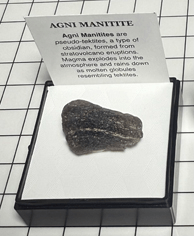
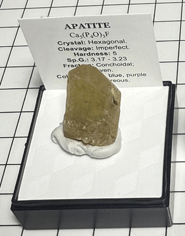
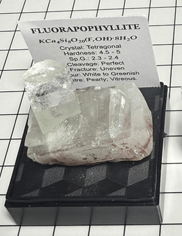
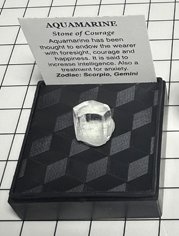
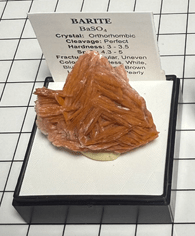
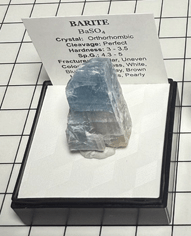
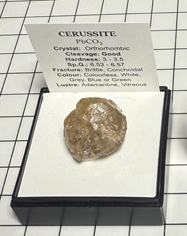
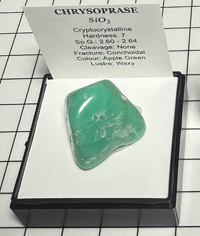
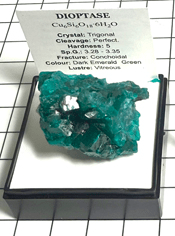
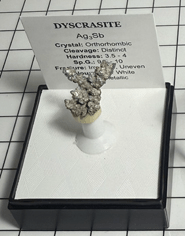
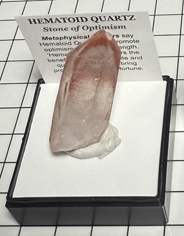
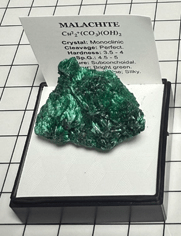
Small specimens mounted in our world renowned Crystal Showcase™ (40mm Acrylic Box) are available with a mineral species description card or we can make them with metaphysical properties or customise (minimum quantities apply) them with text according to your requirements.
Our Specialty Focus
Explore rare space glass, meteoritic impactites, and unique natural formations.
Tektites
Natural glass bodies formed from hypervelocity meteorite impacts on Earth, valued for their unique aerodynamic shapes and cosmic origins.
Pseudotektites
Rare, tektite-like natural glass and obsidian formations that exhibit similar features and textures without a proven extraterrestrial impact source.
Colombianite
Highly sought-after sacred pseudotektite glass from South America, renowned for its smoky-translucent quality under direct light and rare geological origin.
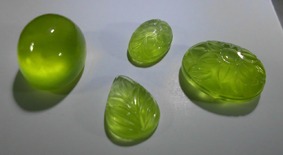
Impact Glass & Moldavite
High-grade impactite minerals, including genuine Czech moldavites and natural impactites prized by collectors, Metaphysical Healers and researchers worldwide.
Disclaimer: It is advised that in regard to metaphysical properties of various gemstones, crystals and minerals that you do your own research and do not rely on secondhand information.
Our Core Collections
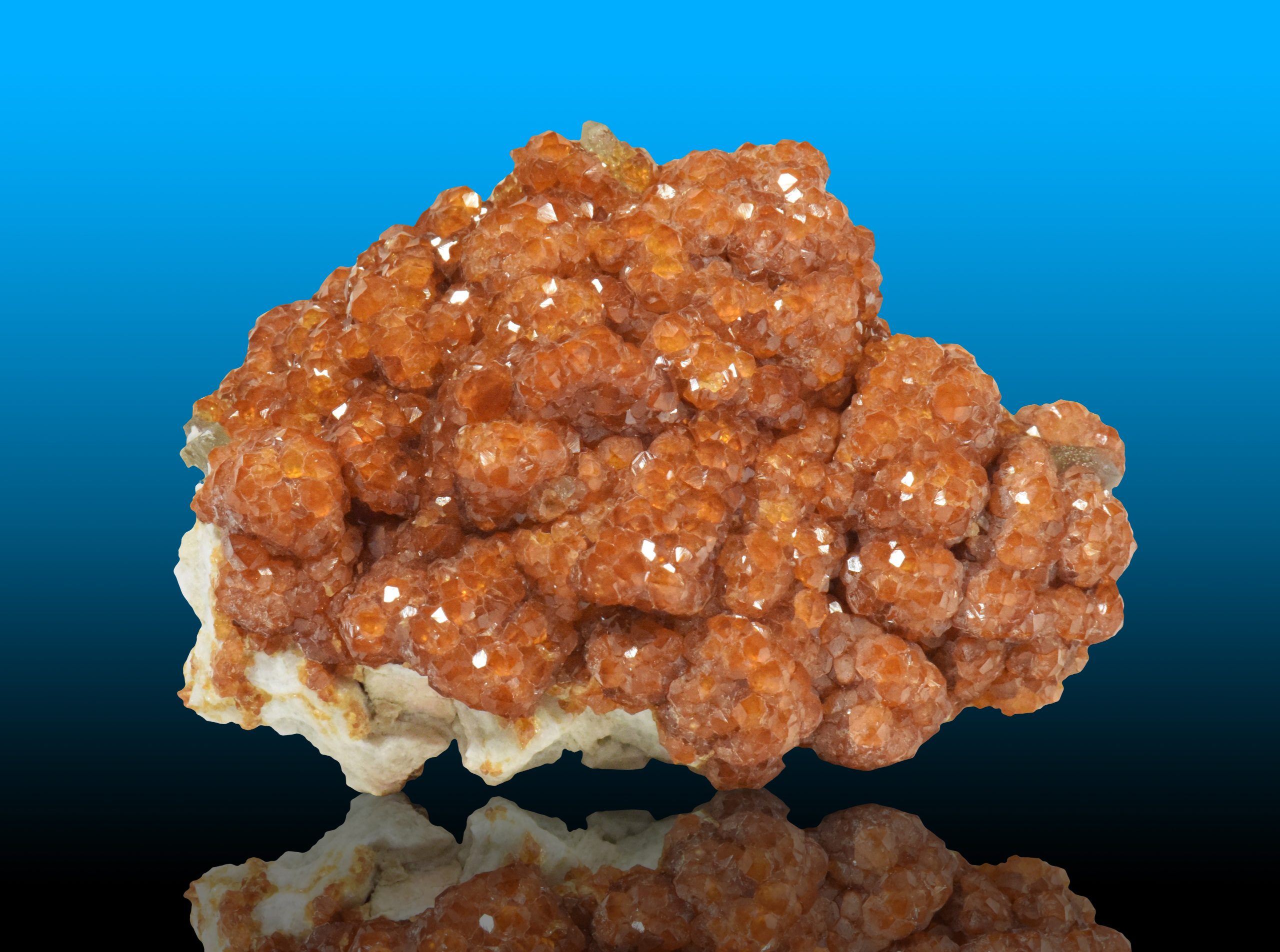
Polished points, spheres, pyramids, and metaphysical freeform.
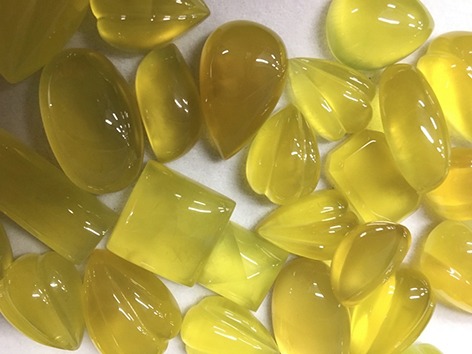
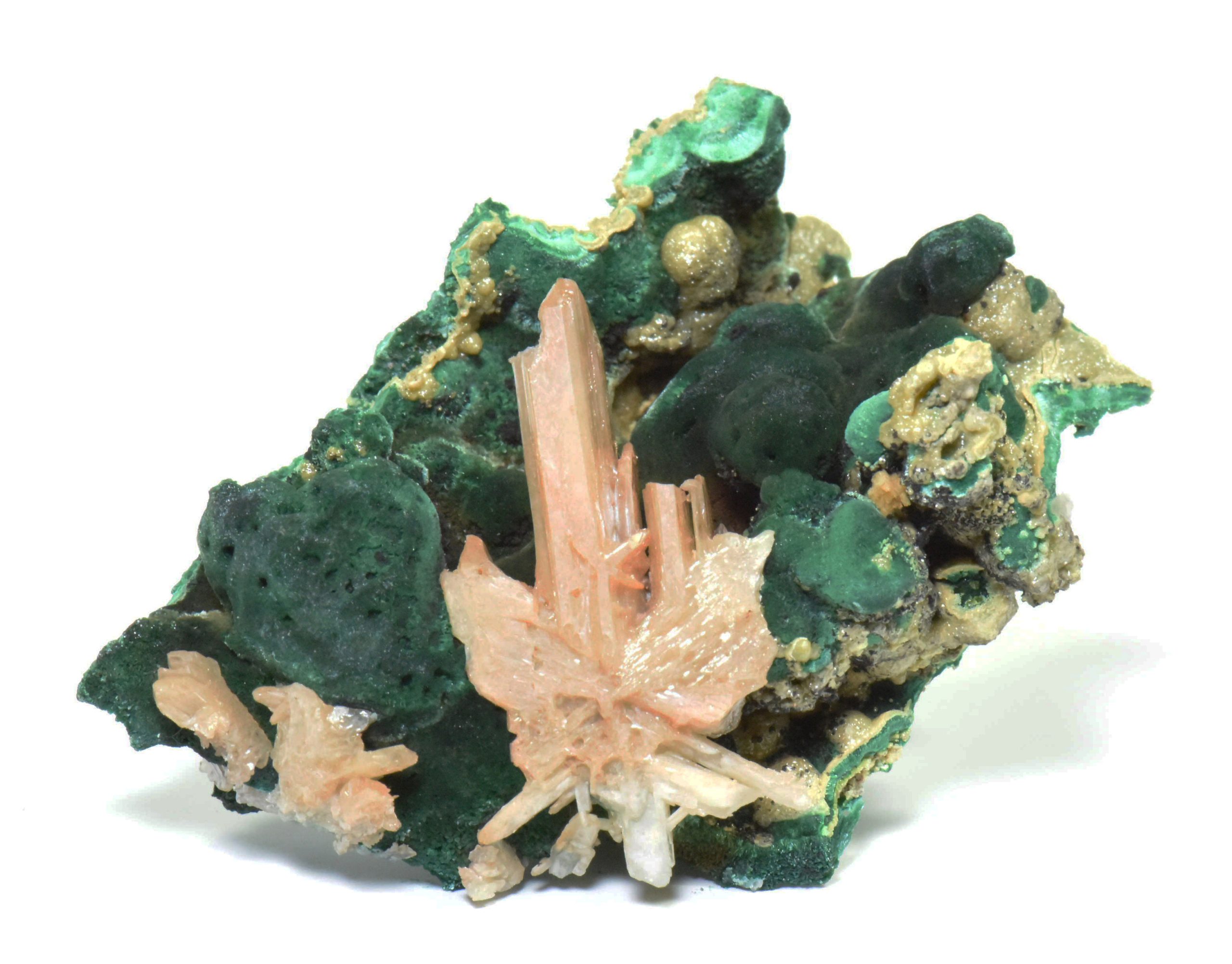
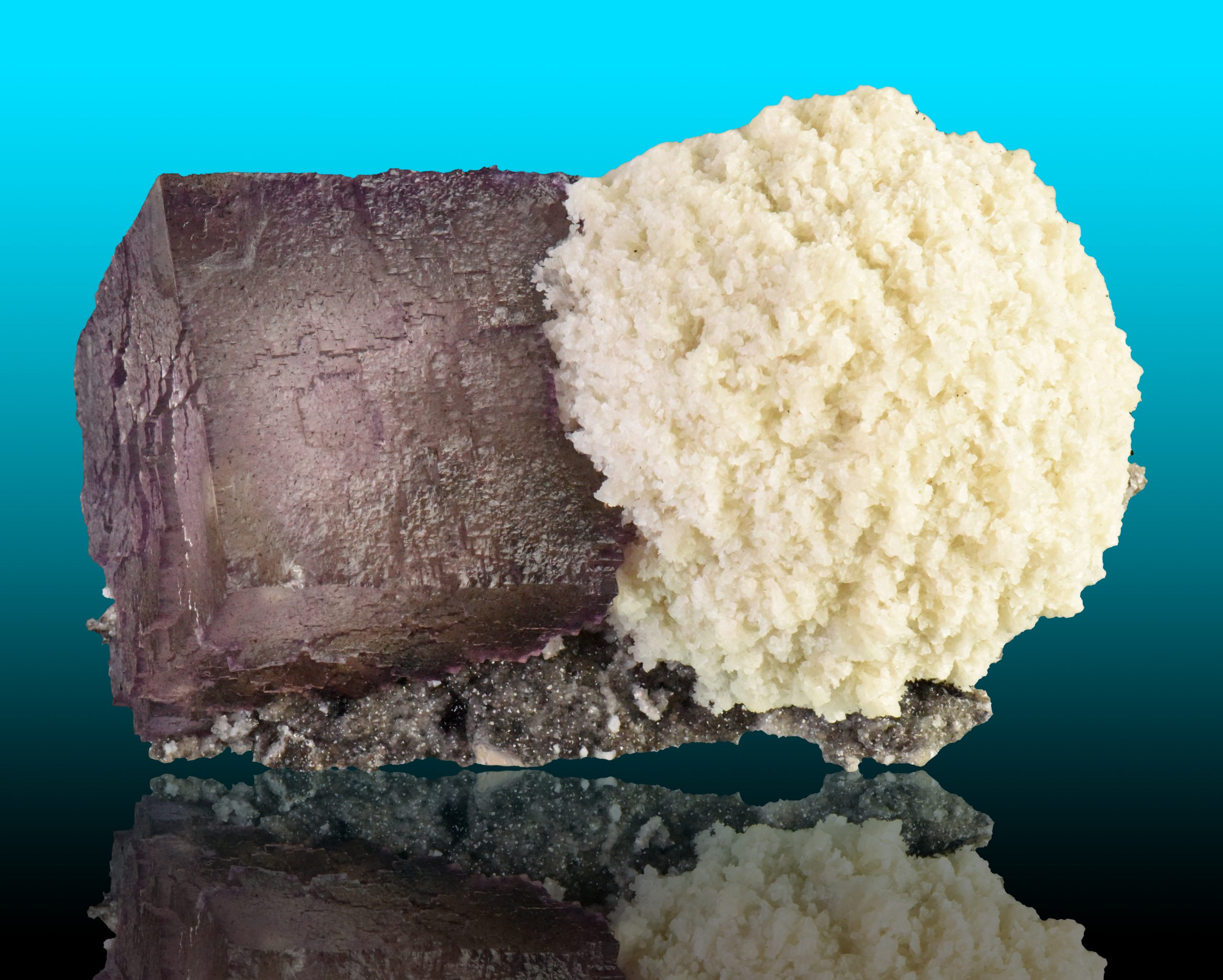
Rare, high-grade mineral formations and mine-direct specimens—including world-class Northern Territory prehnite.
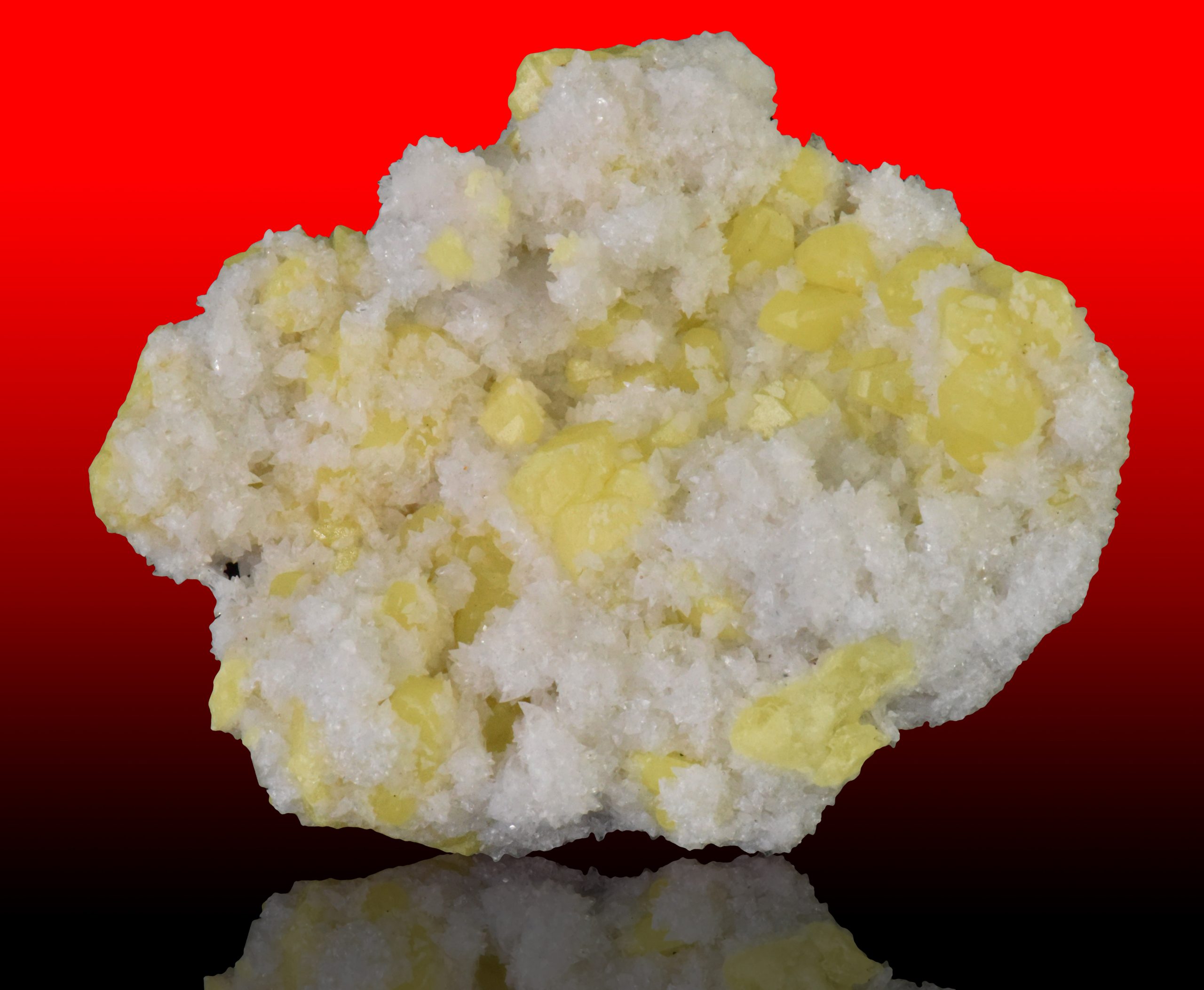
Natural lapidary rough and raw, unpolished mineral pieces.
AGNIMANITITES - COLOMBIANITES
Colombianites were originally found in the Colombian Andes Mountains. They are naturally formed Tektites and are lavender grey or dark grey Tektites that can have metallic (magnetite) silver streaks throughout the stone as well as embedded markings on its surface. Colombianites are much rarer than moldavite, and have been used by shamans to communicate with higher beings for centuries.
Colombianites are a sacred stone to the Indians from the Muisca tribes and are considered a stone of divine energy. The natives call them “Piedra Rayo,” which means “Lightning Stone.”
The Geology Department (University of Ljubljana) and the Museum of Natural History, extensively compared different types of Tektites.
Interestingly, it has survived an incredible 30 million-year era (Obsidian is very unstable and rarely exceeds a few million years).
It is a transparent, Natural, Highly Energetic Gem. Much rarer than Moldavite and Saffordite.
Metaphysical Healers say Colombianites are a powerful instrument in raising human consciousness. They are used to balance oneself and bring into alignment your innate gifts. Connected to the Third Eye and Crown Chakras, Colombianites help one seek spiritual solace and illumination.
Colombianite is considered a sacred stone for humanity, helping to reignite the spiritual fire within each of us.
Through this, we raise our vibration connecting us to the upper spiritual realms. This stone helps us to channel and ground the high-vibration messages and information that come through as we work with them. Colombianite helps us to dissolve negative thought forms, emotional blockages, and outdated belief systems, so one must be prepared to release the old debris. It helps us to expand cosmic consciousness, love, light, and grace, creating peace and harmony not only within the self but with life and one’s relationships.
This rare and precious Stone has a very high vibration compared to other Star Stones. Those destined to have it will gain the opportunity to experience deep Compassion through the Divine Mercy.
They can trigger clear images and deep emotions. The visions were followed by Tears of Awareness and Recognition of the Truth on a higher Emotional and Spiritual level. They are intended for people with a Higher Spiritual mission.
Colombian Healers use it for communication with the invisible.
see: Cali Crater, Colombia.
DISCLAIMER
Metaphysical properties of gems, minerals, crystals and ores.
Disclaimer: Our information has been gathered from a variety of sources and we are not responsible for the authenticity of the information. We strongly suggest that everyone who reads this information satisfies themselves as to it’s authenticity by doing their own research.
CHINESE TEKTITES
INDOCHINITES
RIZALITES
MOLDAVITES
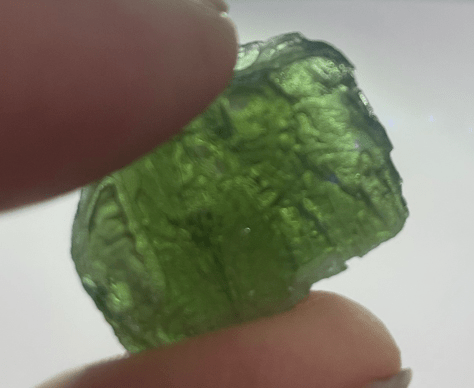
Stock Number: Mol – 23001
Weight: 3.21 Gms
Price: $282.48
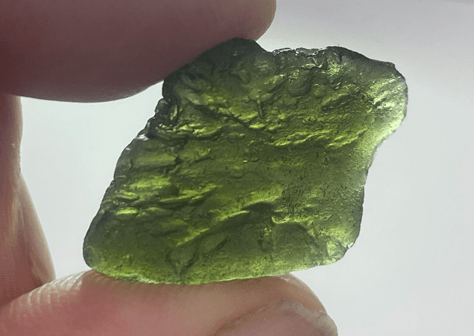
Stock Number: Mol – 23002
Weight: 3.45 Gms
Price: $303.60
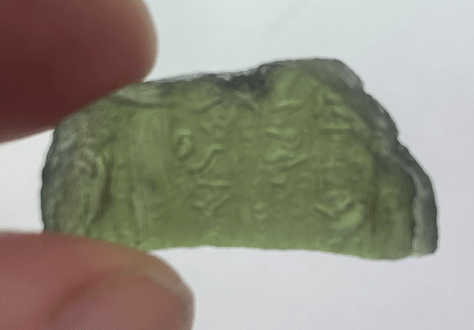
Stock Number: Mol – 23003
Weight: 3.23 Gms
Price: $290.40
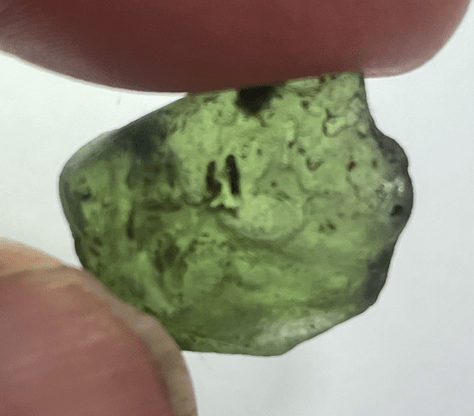
Stock Number: Mol – 23004
Weight: 1.95 Gms
Price: $171.60
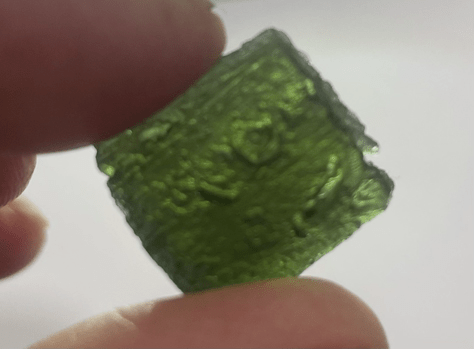
Stock Number: Mol – 23005
Weight: 3.65 Gms
Price: $321.20
Stock Number: Mol – 23005
Weight: 3.65 Gms
Price: $321.20
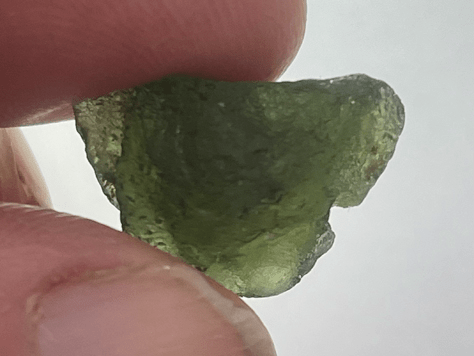
Stock Number: Mol – 23006
Weight: 2.11 Gms
Price: $185.68
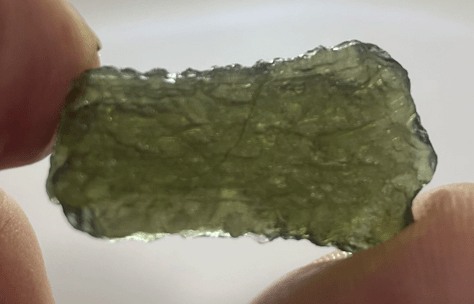
Stock Number: Mol – 23007
Weight: 3.40 Gms
Price: $299.20
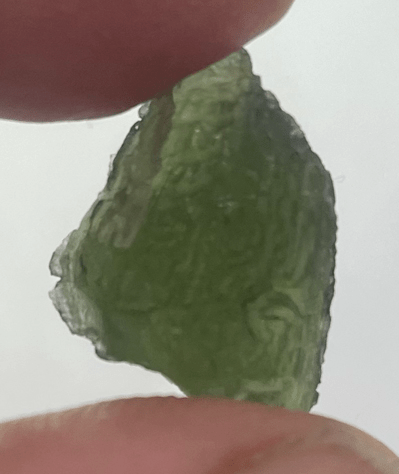
Stock Number: Mol – 23008
Weight: 2.02 Gms
Price: $177.76
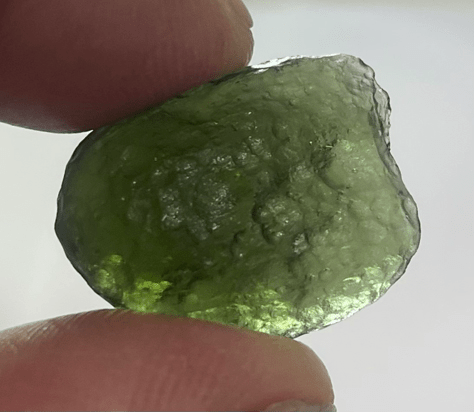
Stock Number: Mol – 23009
Weight: 3.98 Gms
Price: $350.24
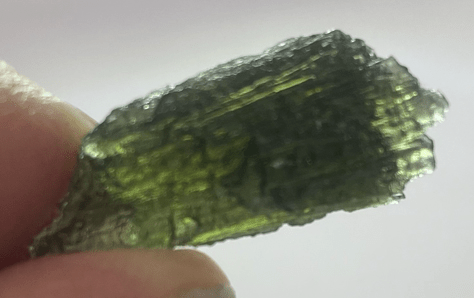
Stock Number: Mol – 23010
Weight: 3.00 Gms
Price: $264.00
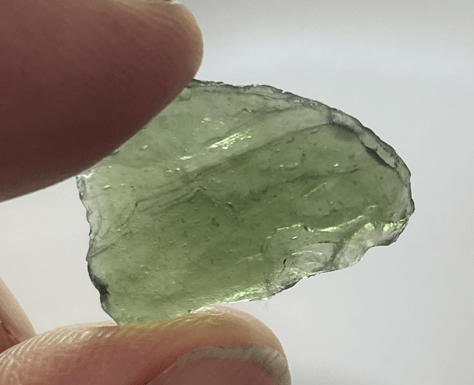
Stock Number: Mol – 23011
Weight: 2.03 Gms
Price: $178.64
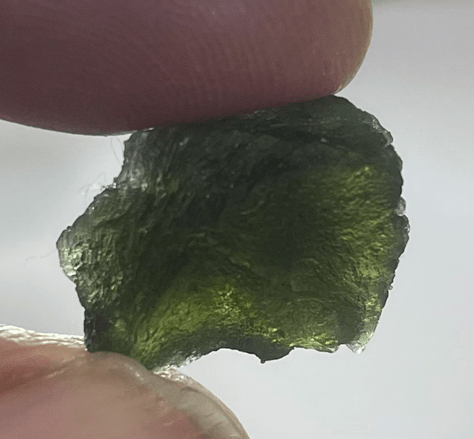
Stock Number: Mol – 23012
Weight: 2.52 Gms
Price: $221.76
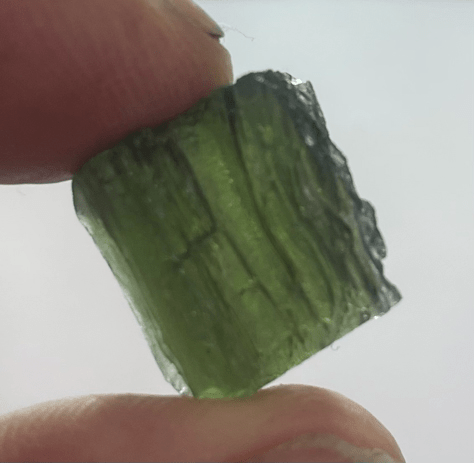
Stock Number: Mol – 23013
Weight: 2.94 Gms
Price: $258.72
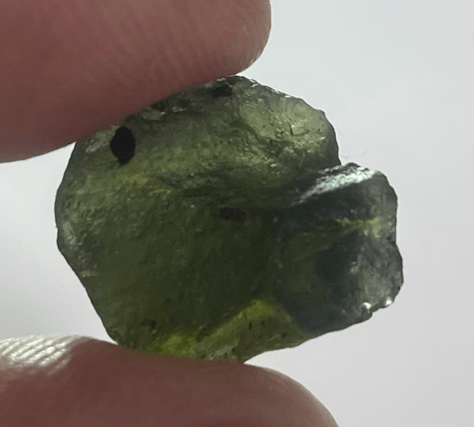
Stock Number: Mol – 23014
Weight: 2.15 Gms
Price: $189.20
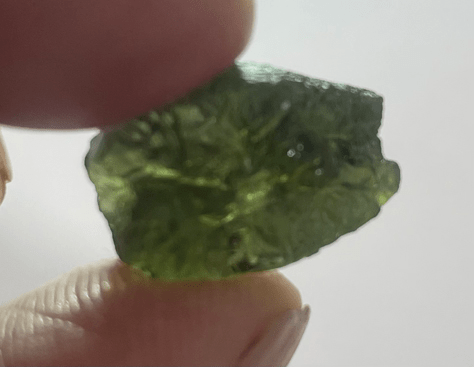
Stock Number: Mol – 23015
Weight: 2.33 Gms
Price: $205.04
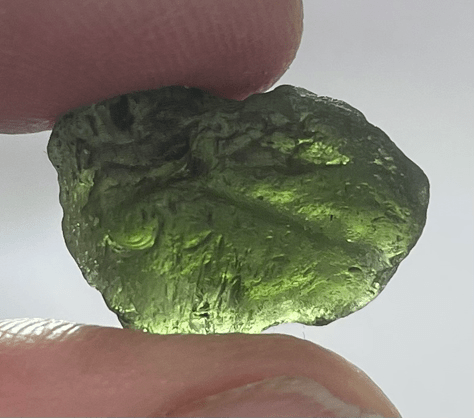
Stock Number: Mol – 23016
Weight: 2.22 Gms
Price: $195.36
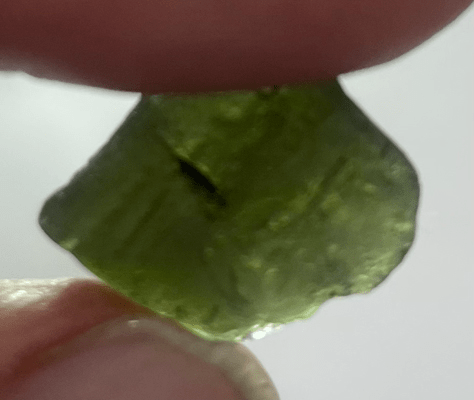
Stock Number: Mol – 23017
Weight: 1.98 Gms
Price: $174.24
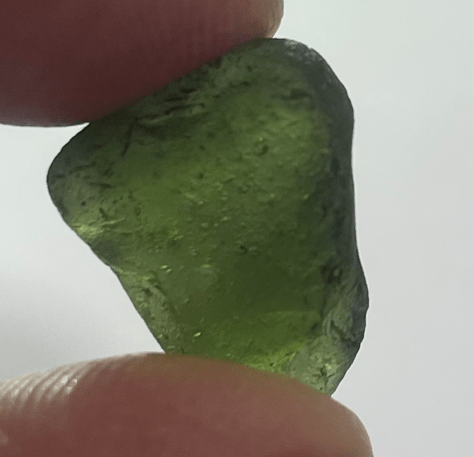
Stock Number: Mol – 23018
Weight: 2.72 Gms
Price: $239.36
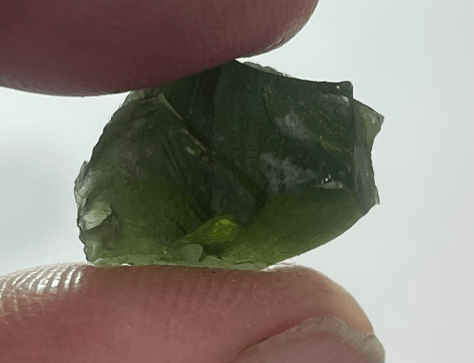
Stock Number: Mol – 23019
Weight: 2.27 Gms
Price: $199.76
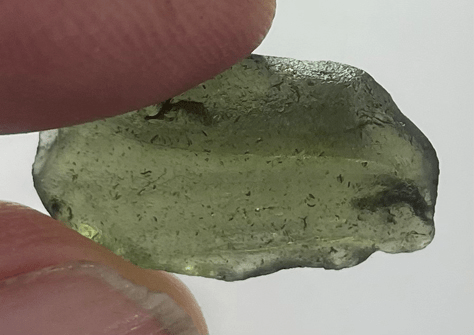
Stock Number: Mol – 23020
Weight: 1.83 Gms
Price: 161.04
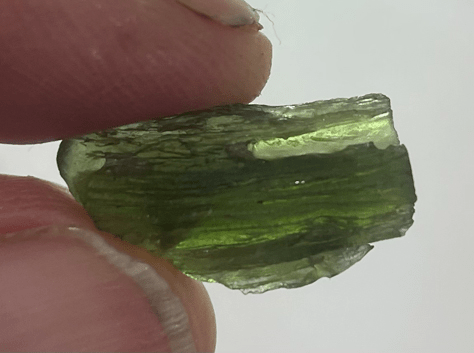
Stock Number: Mol – 23021
Weight: 1.94 Gms
Price: $170.72
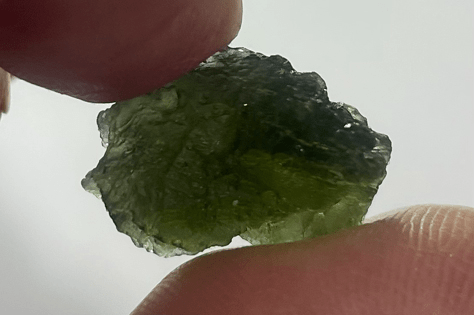
Stock Number: Mol – 23022
Weight: 2.98 Gms
Price: $262.24
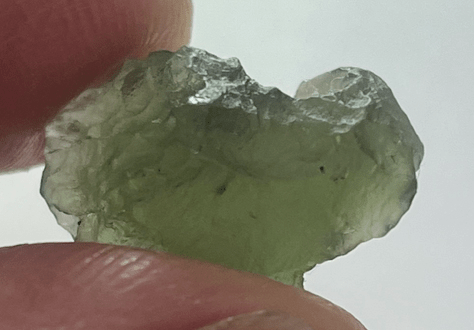
Stock Number: Mol – 23023
Weight: 1.88 Gms
Price: $165.44
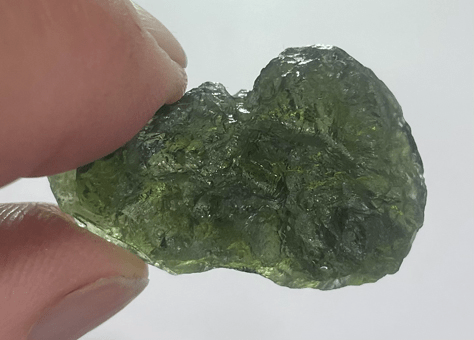
Stock Number: Mol – 23024
Weight: 9.46 Gms
Price: $898.87
DARWIN GLASS
DARWIN GLASS, or DARWINITE, (formally known as “Queenstownite”) is an impactite (Impactite is created when a meteorite hits the earth and melts the rocks, often sending them high in the atmosphere to fall back to earth in the surrounding area).
Darwin Glass was first reported in 1914. It is now a recognised and accepted to identify impactites from that specific area.
Darwin glass is a natural glass found south of Queenstown in Western Tasmania. It takes its name from Mount Darwin in the West Coast Range, where it was first reported, and later gave its name to Darwin Crater, a probable impact crater, and the inferred source of the glass.
Many craters around the world have glass which formed from the heat of the impact. But, the Mount Darwin Crater has glass which is quite different.
The glass is light to dark green, white or black. The glass takes the form of twisted masses, fragments or chunks up to 10 cm. Internally it has a flowing texture defined by lines of elliptical bubbles.
There are two kinds of Darwin glass when composition is measured. Type 1 is normally white or green whereas type 2 is normally black to dark green. The dark glass contains less silica and more magnesium and iron than the light green glass. The dark glass is also enriched in chromium, nickel and cobalt.
A possible explanation for the chemical differences is that, in addition to being mainly composed of melted local metamorphic rocks, the type 2 glass also contains a component of extraterrestrial material from the meteorite.
Darwin glass has been dated at about 816,000 years old using argon-argon dating method. Many craters around the world have glass which formed from the heat of the impact. But, the Mount Darwin Crater has glass which is quite different. It is believed that the crater is over 800,000 years old.
It is found with folds and twists as well as masses that look like large drops. Darwin glass is truly one of the most interesting of the impact melt glasses available to collectors.
Darwin Glass is interesting because organic compounds, such as cellulose and polymers, were trapped in the glass at the time of the impact, preserving remnants of plant life.
The discovery of these preserved organic materials by scientists in 2013 has been cited as evidence for the fringe theory of panspermia, which posits that life could be spread between planets or solar system by impacts.
Darwin glass was widely used by Aboriginal Tasmanians as a material for toolmaking and trade.
Metaphysical
Metaphysical Healers say Darwin Glass is a wonderful stone that holds a lot of the properties similar to Moldavite. It is a much more gentle stone to work with and has a strong connection to nature to to organic matter trapped within.
Darwin Glass is believed to be a stone of knowledge and spiritual development.
Like all Tektites, Darwin Glass is a great protection stone, particularly when one is having trouble picking up strong emotions from all those around when a protective shield is required.
Darwin Glass creates a protective bubble around one that allows one to remain peaceful and calm as one filters all the information one is being bombarded with and process it in an objective way.
Zodiac Sign: Taurus and Sagittarius
LIBYAN GLASS
Libyan desert glass or Great Sand Sea Glass is an impactite, made mostly of lechatelierite, found in areas in the eastern Sahara, in the deserts of eastern Libya and western Egypt. Fragments of desert glass can be found over areas of tens of square kilometers.
Egyptians discovered Libyan Desert Glass thousands of years ago. It was prized for jewellery and amulets.
The origin of desert glass is uncertain. Meteoritic origins have long been considered possible, and recent research links the glass to impact features, such as zircon breakdown, vaporized quartz and meteoritic metals, and to an impact crater.
The glass is nearly pure silica which requires temperatures above 1,600 °C to form – hotter than any igneous rock on Earth. However, few mineral relics survived from whatever caused the melting, including a form of quartz called cristobalite, a rarely occurring high-temperature mineral; and grains of the mineral zircon, although most have reacted to form a higher-temperature mineral called zirconia.
Ideas about how the glass formed include melting during meteorite impact, or melting caused by an airburst from an asteroid or other object burning up high in Earth’s atmosphere.
Ref: Wikipedia
Abstract– Dark streaks and different types of inclusions in Libyan Desert Glass (LDG) collected from the LDG strewn field in Egypt were investigated. Rare transparent spherules enclosed in the glassy matrix are characterized by concentric cracks, irregular internal cracks, intense twinning, and considerable amounts of Ti and Al. Raman spectra show that the spherules are α-cristobalite. Their occurrence together with lechatelierite indicates quick heating of the source rock to at least 1550°C, followed by rapid quenching leading to crystallization of β-cristobalite, which upon cooling inverted into α-cristobalite. Brownish inclusions are irregularly shaped, elongated objects with smooth contacts to the surrounding glass.
They contain small roundish to elliptical droplets, and a few larger angular grains, which compositionally and according to their Raman spectra most closely resemble low-Ca, Al-rich orthopyroxene. Composition and texture of the orthopyroxene suggest that the brownish inclusions formed by incomplete melting of an Al-rich orthopyroxene bearing precursor, e.g., mafic phases present in desert surface sands or also of orthopyroxene-bearing granulite dykes in the LDG target.
Experimental data on Ca-poor enstatite also support that the inclusions were heated to about 1550 °C. Analyses of dark streaks in LDG reveal high abundances of Al, Ti, Mn, Cr, Fe, and Ni and a pronounced correlation between the abundances of Cr, Mn, Fe, and Ni. As the Fe/Ni, Mn/Ni, and Cr/Ni ratios are all clearly nonchondritic, the source of this material is most likely terrestrial and the dark streaks studied here represent a different type of schlieren compared to those which contain a meteoritic component. These findings suggest LDG formation during a short high-temperature event. Melting of Al-rich orthopyroxene bearing target material seems to suggest an asteroid impact rather than a near-surface airburst.
Libyan Desert Glass (LDG) is an unusual natural glass that occurs in large quantity between the sand dunes of the southern region of the Great Sand Sea of southwest Egypt. The irregularly shaped, millimeter- to several decimeter-sized, and often wind-eroded fragments are scattered over almost 6500 km2, although the main distribution is limited to about 2000 km2. The largest samples recovered so far weigh up to 26 kg. The fragments generally appear light-yellow to greenish in color, although some pieces are white due to abundant tiny bubbles, and, in a few rare cases, contain some dark streaks. The angular fragments were used over thousands of years during prehistoric and dynastic Egyptian times to produce a variety of artifacts, such as the yellow/green scarab of Tutankhamen’s pectoral (De Michele 1998).
Ref: Wiley Online Library
Get In Touch
Expand Your Collection Today
Select an inquiry type to connect with our gemological experts:
• Wholesale & Bulk Orders
• Custom & Direct Sourcing
• Tektite & Impactite Consultation
• General Specimen Questions